By JADE RUSSELL
Tribune Staff Reporter
jrussell@tribunemedia.net
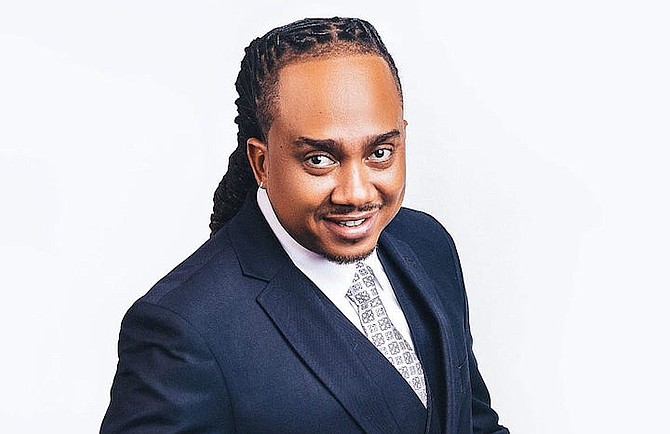
IMMIGRATION rights activist Louby Georges has backed calls for parents to ensure children who cannot speak English receive language instruction before entering public schools, arguing that placing them directly into English-only classrooms puts both students and teachers at a disadvantage.
His comments come after Bahamas Union of Teachers president Belinda Wilson renewed concerns about language barriers in classrooms, with some teachers saying they have significant numbers of Creole-speaking students who cannot communicate in English.
Mrs Wilson suggested parents should pay for English lessons for children who cannot speak the language before enrolling them in public schools and called on the Ministry of Education to ensure students entering the system are proficient in English.
Mr Georges told The Tribune yesterday that he did not interpret her position as an attempt to exclude Haitian or other foreign children.
“I didn't take the statement as one that is trying to exclude Haitian children or any other foreign children,” Mr Georges said. “It's about preparing them to succeed because, at the end of the day, it's about the well-being of the children and putting them in the best possible position to excel.”
He questioned how much a child could learn if they cannot understand the language in which lessons are being taught.
“So, placing a child into an English-only classroom without first giving the necessary English language foundation,” he said, “I think places the child at a disadvantage, and also additional strain on the teacher.”
Mr Georges agreed that parents bear responsibility for ensuring their children are proficient in English before enrolling them in school.
He said Haitian residents on work permits commonly place their children in institutions that provide English lessons, some of which are accredited by the Ministry of Education.
“There may be a need for more such facilities,” Mr Georges said, “and not just for Haitian Creole, Spanish, and Filipino, and otherwise. But overall, I do not necessarily disagree with the president of the teacher's union.”
He identified the limited number of institutions and their availability as potential obstacles for parents.
Mr Georges suggested the Embassy of the Republic of Haiti and the Haitian League of Churches could help establish programmes for children and adults who need basic English instruction.
“Maybe they can come together,” he said, “and they can create some sort of institution that can help these children and even some adults in getting the basis of the English language.”
However, Mr Georges said children who are in The Bahamas are supposed to be in school, and he did not expect government schools to stop enrolling them in the meantime.
“I would say that again, I agree children are supposed to be in school,” he said. “If they are here, then they're supposed to be in school. So, until such time, I do not foresee anything different happening from the government schools enrolling these kids.”
Mr Georges also pointed to Bahamians of Haitian descent who speak both English and Creole as a possible source of additional language support.
He suggested they could pursue programmes or courses leading to certification that would allow them to provide specialised instruction for students who need help developing their English skills.




Comments
Sickened 40 minutes ago
Ultimately this falls on the parents to prepare their children for schooling. Speaking the language of the place you reside is YOUR responsibility - nobody else's.
If I go to China with my young children I cannot expect the school teacher to take the time to teach my child in English.
If a German speaking family comes here, they cannot expect Lyford Cay or Columbus Primary to either teach the child in German or to slow the class down so that that one child can understand.
Sign in to comment
OpenID