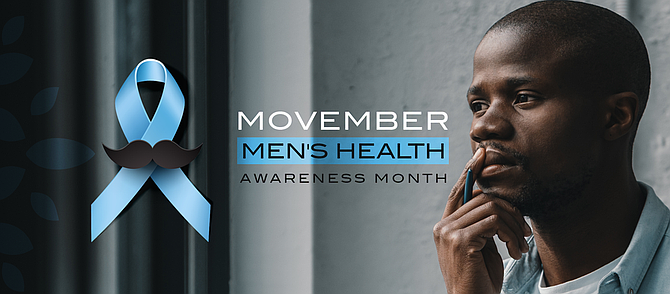
Men's Health Awareness
The Cancer Society of The Bahamas is joining countless organisations and people around the world in observing ‘Movember,’ held every November to raise awareness of men’s health issues, including prostate cancer, testicular cancer, and mental health.
As the Society marks this important global movement, it is focusing on breaking the silence surrounding men’s physical and mental well-being and encouraging the early detection of diseases, especially cancer.
Speaking at the Society’s Monthly General Meeting on Men’s Health Awareness, held on November 10, guest speaker Dr Robin Roberts noted that men are less likely to seek preventive care, including regular check-ups and therapy, than women, largely because of a fear of being seen as unmasculine by society. As a result, he says, men often miss opportunities to detect and treat health conditions early.
Men’s Physical Health Issues
In The Bahamas, certain cancers and chronic conditions are major concerns for men, leading Dr Roberts, a consultant urologist, to call for greater community outreach and awareness. Some of the key physical health issues impacting men, according to Dr Roberts, are:
Prostate Cancer: This is the most common cancer among Bahamian men, primarily affecting those aged 40 and older. As with some other cancers, prostate cancer has no early symptoms, underscoring the importance of screening tests, such as PSA blood tests and digital rectal exams.
Testicular Cancer: Highly curable and treatable, testicular cancer mainly affects younger men (ages 15-35). To detect it early, younger men should perform regular self-exams.
Cardiovascular Disease: Among men, heart attacks, stroke, and high blood pressure are leading causes of death. Managing cholesterol, blood pressure, and daily movement helps lower risks.
Type 2 Diabetes: Excess weight, particularly around the abdomen, can increase insulin resistance. If left untreated, blood glucose levels rise, which can lead to Type 2 diabetes.
Erectile Dysfunction (ED): Apart from affecting sexual performance, erectile dysfunction can be an early warning sign of chronic health conditions, such as diabetes and high blood pressure.
Men’s Mental Health Issues
In patriarchal societies, such as The Bahamas, men are encouraged to always be dominant and are often criticised for expressing sadness or vulnerability. Because of this, Dr Roberts said, many men can’t properly cope with their problems, which can cause the development of various mental health conditions, including:
Depression: Although depression presents differently in men, common signs include anger, irritability, fatigue, and reckless behaviour.
Anxiety Disorders: Frequently underreported, anxiety disorders that affect men include generalised anxiety, panic disorders, and social phobias.
Substance Use and Abuse: Compared to women, men abuse alcohol and drugs at higher rates, often as a means to self-medicate or conceal underlying emotional issues.
Post-Traumatic Stress Disorder (PTSD): Triggered by trauma or violence, the symptoms of PTSD include emotional numbness, persistent fear, angry outbursts, and vivid nightmares.
Suicide Risk: In The Bahamas, the large majority of suicide cases involve men, mainly due to a reluctance to seek help for emotional distress.
Social Determinants of Health
In addition to lifestyle choices and cultural expectations, socioeconomic factors significantly affect men’s health outcomes, Dr Roberts stated, adding that these factors are the conditions in which people live and work.
Some of these factors are:
Economic Stability: These factors include employment, income, debt, medical bills, and support. According to studies, people with lower socioeconomic positions face a higher risk of illness and premature death.
Education Access and Quality: Studies show that literacy, language skills, early childhood education, vocational training, and higher education levels affect job opportunities and health literacy.
Healthcare Access and Quality: Health coverage, provider availability, linguistic and cultural competence, and overall clinical care quality influence health outcomes.
Neighbourhood and Built Environment: Safe housing, walkable neighbourhoods, access to public transportation, clean air and water, and parks or grocery stores with healthy food options can lead to better health.
Social and Community Context: Social integration, community engagement, support systems, and exposure to discrimination, stress, or violence shape health outcomes.
Men’s Health Tips
To stay as healthy as possible, men should prioritise regular medical checkups, balanced nutrition, exercise, and mental well-being, according to Dr Roberts. Health tips he recommends include:
• Preventative Care
• Visit your doctor regularly for check-ups.
• Get regular cancer screenings, if eligible.
• Openly discuss physical or mental changes with a certified health professional.
2. Nutrition and Diet
• Eat more fruits and green, leafy vegetables.
• Choose healthy fats, such as fish and olive oil, and lean protein.
• Limit red or processed meat.
• Avoid excess sugar and salt.
3. Physical Activity
• Each week, get at least 150 minutes of moderate aerobic exercise, such as swimming, cycling, or brisk running.
• To preserve bone density as you age, perform muscle-strengthening exercises, such as weightlifting or push-ups, two days per week.
• Stand up, stretch, or take short walks throughout the day.
4. Mental Health
• Get 7 to 9 hours of quality sleep per night to support recovery, hormones, and mental sharpness.
• If you're experiencing stress, anxiety, or depression, break the stigma by reaching out to friends, family, or professionals.
5. Healthy Habits
• Avoid tobacco.
• Limit alcohol consumption.
• Maintain a balanced weight.
What is the Cancer Society of The Bahamas doing to help?
The Cancer Society encourages Bahamians to be more proactive with their health, stop ignoring warning signs, and get screened. The Cancer Society will continue to provide information on our social media platforms, in our weekly newsletter, and at health fairs.
At the Cancer Society, we offer the following programs and services for persons diagnosed with cancer:
• Free accommodations and transportation for the Family Islanders undergoing cancer treatment in New Providence.
• Emotional and mental support at our Adult Support Group.
• Quarterly social events for children aged 2 – 17 in our Freedom Kids Club.
• Financial Treatment Assistance Program (funded by the Bahamas Hope Challenge) for unemployed or uninsured persons who have been diagnosed with cancer.
• Monthly Free Pap Smears and PSA Screening in the Family Islands.
• Free mammogram screenings in Nassau for women from various Family Islands through the FIMS (Family Island Mammogram Screenings) program.
To learn more about what the Cancer Society is doing, subscribe to our newsletter at www.cancersocietybahamas.org/newsletter. Call us at (242) 323-4441 or (242) 325-2483, or email us at admin@cancersocietybahamas.org to become a volunteer, spokesperson, or advocate for a healthier Bahamas.




Comments
Use the comment form below to begin a discussion about this content.
Sign in to comment
OpenID