By DENISE MAYCOCK
Tribune Freeport Reporter
dmaycock@tribunemedia.net
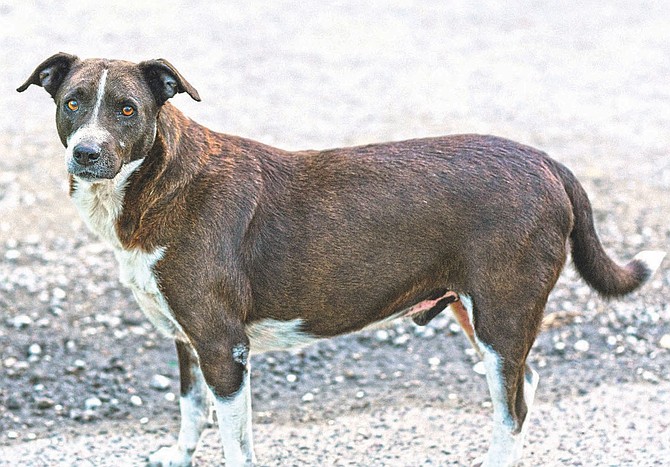
DOG licence tags ran out in Grand Bahama and New Providence days before the government's licensing amnesty expired, and the Humane Society of Grand Bahama says owners worried about getting into trouble have begun surrendering their dogs to its shelter.
Tip Burrows, the society's president, said the Freeport shelter has seen an increase in calls from people wanting to give up their dogs because their yards are not secure. She warned that if the trend continues, it could overwhelm the facility.
The Department of Agriculture and Marine Resources gave pet owners until September 30 to license their animals under the amnesty. Ms Burrows said she had heard nothing about how the government plans to enforce the requirement now that the amnesty has ended.
When Agriculture and Marine Resources Minister Jomo Campbell announced the amnesty, he said registration would be free during September and that enforcement would intensify once it expired. Officials said police would issue citations, with a $250 penalty for an unlicensed or roaming dog and fines of up to $1,000.
Kim Aranha, chairman of the Animal Protection and Control Board and past president of the Bahamas Humane Society, said the Humane Society and the board have recommended extending the amnesty until January 1, 2027. She said this would give the government time to obtain more tags and to explain the requirements to the public, along with the consequences of not following them.
“If you have dogs out there that escape, run away from home, and they don’t have tags,” Ms Aranha said, “it’s hard to get angry with the owners because there are no tags to be had.”
She said she planned to raise the recommendation with the minister and his team, who have returned from an agricultural event in Jamaica. She said the shortage should be resolved quickly and followed by public education campaigns, town meetings and other efforts to explain the new rules.
Ms Burrows said licensing has been a legal requirement in The Bahamas for decades but has never been consistently enforced. Multiple serious dog attacks in recent years have left people, including children, badly injured or dead, but she said licensing alone would not stop them.
“The people who are going to comply with the licensing requirements are probably the people whose dogs are not going to be attacking anyone, for the most part,” she said.
She said the government should pay just as much attention to the animal cruelty and neglect that she said are so prevalent.
“It’s past time that we start enforcing the laws as they apply to animals,” Ms Burrows said. “At the end of the day, this is not a dog problem; it’s a people problem.”
Ms Aranha also called for greater regulation of breeding kennels. She said too many people are breeding dogs, and unwanted animals are often abandoned or left to roam when owners cannot manage them.
“If we didn’t have irresponsible breeding, we wouldn’t be where we are today,” she said. “We’re going to try and rein everything back in, and licensing is an essential first step.”
In New Providence, the Bahamas Humane Society has not seen a significant rise in surrenders. Percy Grant said the organisation received fewer than 50 surrendered animals during the amnesty, which was not unusual.
“We got some people just putting their dogs out and releasing them,” Mr Grant said. “But I cannot say we had a significant number of dog surrenders during the amnesty period.”




Comments
birdiestrachan 1 hour, 16 minutes ago
Dog owners should take better care of their dogs.people have complained about dogs entering their property and killing their beloved cats.
Sickened 1 hour, 12 minutes ago
Bahamian parents should take better care of their children. People have complained about rabid humans entering their property and killing their loved ones.
Sign in to comment
OpenID