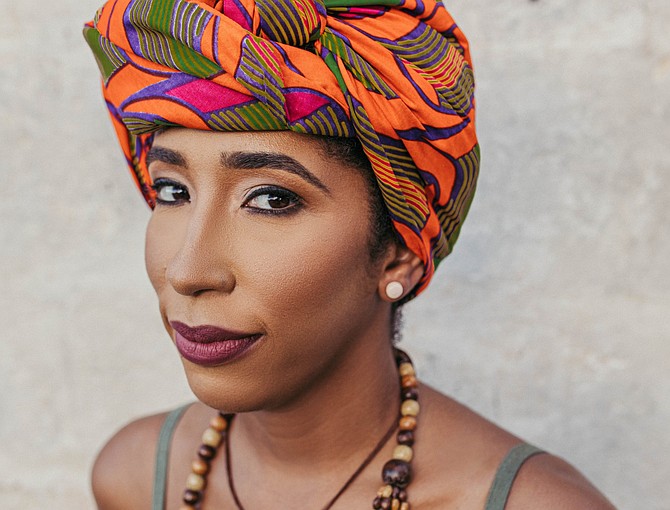
Alicia Wallace
IF a man is to come here and call himself “king,” he ought to know this space, experience it authentically, embrace the opportunity to learn, and take action to improve the conditions of all people impacted by atrocities from which he has benefitted for his entire life. This is not a time for children to stand in the sun and sing or dance for him. This is not a time for touring. It’s time for the government to demonstrate its commitment to the demand for reparations. It’s not a time to give. We must receive all that is owed to us.
Here is proposed messaging for the guest:
During this visit, you are required to work and cover your own expenses. Upon arrival you will be provided with work options that include customer service roles in the tourism industry, brick and mortar retail sales, roadside vending, and field work in the agriculture and fisheries industry. While financial services is a relatively large industry in The Bahamas, you are disqualified from these roles due to your record of theft and mismanagement of resources. Similarly, no uniformed services can be considered due to the ancestral use of weapons against people on their own land.
You must apply and interview for positions and accept the first offer you get in the interest of time, and in order to earn the money to cover the cost of your stay. Be sure to wear a dark-colored suit, white shirt, necktie, and clean black shoes at the interview, and cut your hair to less than one inch.
As a courtesy, have exact change ready to pay your bus fare for all travel. As a responsible adult must, pay your rent before spending any of your stipend on anything else, including food. You will receive $260—minimum wage—for 40 hours of work.
When booking your flights, ensure that arrival at the Lynden Pindling International Airport is at night. As British Pounds are not accepted in The Bahamas, be prepared to identify and carry your luggage from the carousel through Customs and to the ground transport area outside. From the airport, proceed onto JFK Drive where most of the streetlights do not work.
Instead of staying at a hotel, stay at an ordinary Bahamian residence, and be ready to figure out how to navigate unplanned electricity outages. It would be prudent to pack ice packs to be kept in the freezer during your stay and to be used when it’s excessively hot.
Spend time in the yard—you are not permitted to enter the home—of a Bahamian grandmother. Listen to the stories of her childhood, her marriage, her childbearing and childrearing, and the days of retirement (which she may not yet be able to enjoy due to the economic situation). Assist with outdoor tasks including weeding, touching up the paint on the shed, and removing garbage.
After completing the other tasks, wash your hands under the direction and supervision of the grandmother, then shell peas and grate cheese for the peas-n-rice and macaroni that will be made for a family dinner.
During your stay, listen to the news at least once daily, and listen to (a) radio talk show(s) for at least two hours per day for an increased understanding of the Bahamian reality. Be attentive to the framing of new stories, current affairs, and topics raised by the talk show hosts. Note the responses of callers, including their tone and their references to other news events and concerns. Though you likely never think about it without prompting, challenge yourself to make connections between the themes discussed on the colonial history of The Bahamas and the continued harm the country and its people experience as a result of the history and the lack of repair. Listen, especially, to comments about your presence in our country. Why are you here? What have you come to do? Are you still pretending that you do not know the immense debt you owe to us, and to so many other Afro-descendent peoples? Why are you comfortable with the dynamics of a formerly colonized country that has yet to recover from centuries of violence hosting you, as a supposed Head of State?
While traversing the streets of New Providence, ask Bahamians to point you to the most epic potholes they have unexpectedly dropped into, especially if they resulted in vehicular damage. Go to see the five most mentioned potholes. Measure their depth. Jump into them and see if you can get out without assistance. Once you are out, add soil, and plant a tree as a warning to drivers.
Visit the Princess Margaret Hospital and walk through all of the public wards. Deliver water, fresh fruit, 100% fruit juices, socks, and nightwear to patients willing to receive them. Note the conditions of the facility, from the walls and floors to the equipment, including beds and chairs. Importantly, engage with the medical and administrative staff. Make eye contact, ask specific questions about their jobs, ability to perform them, compensation, and hazards. Find out about common illnesses. Ask about the noncommunicable diseases most common in The Bahamas and the Caribbean, the percentage of them that lead to premature death, and the link to slavery. Take note of the health challenges experienced at large and the incapability of the public hospital to manage them. Make the connection between all that you see and the Caribbean demand for reparations.
You must use the bus for transportation. In particular, ride the entire 15a bus route. Sit in the morning rush hour traffic on Prince Charles Drive. When the bus stops downtown, disembark and walk along Bay Street. If it’s a Wednesday, go to Parliament. Count the steps and feel them in your body as you climb to gain access to the gallery where most people with disabilities affecting their mobility cannot go. Get a glimpse of the failed Westminster systems with which we have been saddled. Listen to the immature comments, the over-talking, the insults, and the pontifications about nothing relevant to the lives of the people.
After two hours of this, look at the statute in Parliament Square. Then look at the one in Rawson Square. Consider the difference. The one of genocidal maniac Columbus has been removed from Government House after being damaged by a citizen, yet the statue of “Queen Victoria” remains. What role do you continue to play in its presence on Bay Street, symbols of a continued reign of terror? It must be said that even an independent country does not automatically come to terms with its history, completely reject and oust its oppressors, and reclaim its dignity in giving pride of place to its own people. Its process and reparations are a necessary part of it.
Spend a few hours at a police station. Answer the phones and let people know when there are no cars available to bring police officers to them. Take note of the reports. How many are crimes against people and how many are crimes against property? Which get the most appropriate response? Listen to the words of the people being held in cells in the police station. Consider the ways the violent crime in The Bahamas is attributed to the Transatlantic Trade in Enslaved Africans, colonization, and the failure of the British to acknowledge the continued harm, apologize, and make reparations in the specific ways laid out by the CARICOM Ten Point Plan for Reparations.
Meet with The Bahamas National Reparations Committee. As Chair Niambi Hall Campbell Dean stated, “We’re saying that the legacy of enslavement and colonisation has impacted our country, has left us in a state of underdevelopment. How can we now look at that legacy and bring justice to what has happened so that we can build as a nation?”
If you are to be here, this is what you are expected to study. National development is our work, and it comes at a cost. Britain must pay. We know that you know this. Let this be the time that you take the appropriate, necessary, justice action and pay us what you owe us.




Comments
Use the comment form below to begin a discussion about this content.
Sign in to comment
OpenID