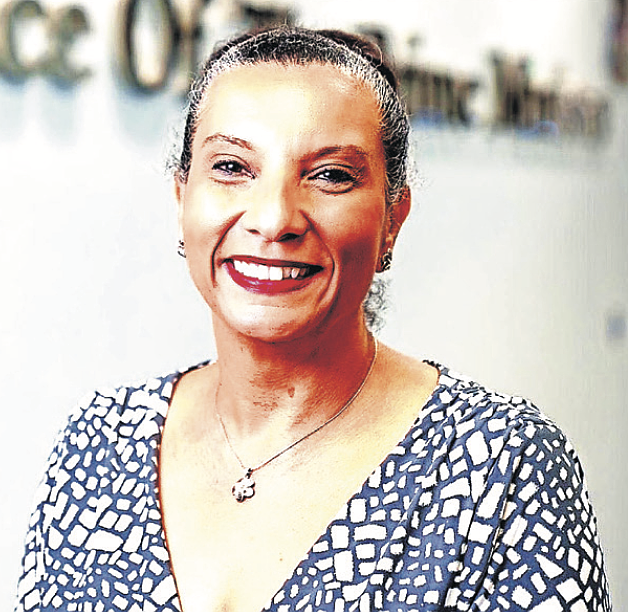
Christina Alston
By FAY SIMMONS
TRIBUNE Business Reporter
jsimmons@tribunemedia.net
BAHAMAS Power & Light (BPL) has changed “parts of our grid code”, its executive chairman said yesterday, and is studying how utility-scale solar systems respond to grid disturbances in a bid to prevent them from destabilising the system.
Christina Alston told a panel discussion at the regional CARILEC energy conference that BPL has changed elements in its grid code following the April 2025 blackout that impacted Spain and parts of neighbouring regions, with the utility examining how solar installations respond to disturbances on the transmission and distributionn(T&D) network.
The objective, she explained, is to prevent solar systems from responding to the same grid disturbance by opening their breakers at the same time, potentially contributing to a loss of system frequency.
Ms Alston said the experience highlighted the technical challenges utilities such nas BPL face as renewable generation becomes a larger part of electricity supply.
“We actually went in and changed parts of our grid code based on that event, where the utility scale solar on New Providence, we are studying them so that if there is an event on the T&D that they don't all see the same event and open up their breakers at the same time, and then we lose frequency,” she said.
The BPL executive chair warned that renewable energy policies must account for how electricity systems operate, including the need for dependable generation and the technical requirements for maintaining grid stability.
“We really need to understand what power does and how power moves before we make these types of policy initiatives that put our countries in the dark,” said Ms Alston.
She also questioned whether the pursuit of renewable energy targets could leave utilities paying for generation capacity twice if they must maintain conventional back-up resources to compensate for intermittent supply.
“So is then the answer to sit there and have back-ups for the whole 90 percent that you committed to renewables? So now you're paying for capital assets twice,” she said.
Ms Alston said utilities must also carefully evaluate the cost and useful life of infrastructure when deciding how to improve resilience and reliability.
She cited battery energy storage (BESS) as an investment with an expected life of about 15 years, compared with transmission and distribution infrastructure that could represent a 35 to-40-year investment.
The difference, Ms Alston said, makes it important to assess each option against its costs, expected lifespan and contribution to system performance, rather than selecting solutions based solely on their technological appeal.
“A gold-plated system is difficult to achieve if you have silver money,” Ms Alston said.
She explained that utilities must compare the benefits of more expensive resilience measures against what customers can reasonably afford, including whether a less costly solution can deliver most of the desired reliability improvement while allowing the remaining risks to be addressed through other measures.
Ms Alston said The Bahamas should prioritise commercially available technologies that customers can afford rather than attempting to finance experimental projects through a relatively small electricity market.
“For me personally, I want to pick things off the shelf that the Bahamian people can afford, that is commercially available, because we don't have the KWH (kilowatt per hour) sales to fund research and development projects,” she said.
Ms Alston also argued that renewable energy planning should extend beyond solar to consider other potential sources, including gasification technologies and energy generation from wastewater treatment plants and landfills.
Her comments came amid a wider discussion among Caribbean utility executives about the investments needed to integrate renewable generation while maintaining reliable electricity supplies.
Ms Alston said utilities must not lose sight of residential customers, schools and others who cannot afford to install their own generation as electricity systems evolve.
“One thing that we cannot allow to happen is for electricity to become a social justice issue,” she said.
Ms Alston also warned that investment in additional generation will not resolve reliability problems if the infrastructure needed to deliver electricity to customers remained inadequate.
“It really doesn't matter if you bring on additional generation if you can't get that generation to the customer,” said Ms Alston.




Comments
Use the comment form below to begin a discussion about this content.
Sign in to comment
OpenID