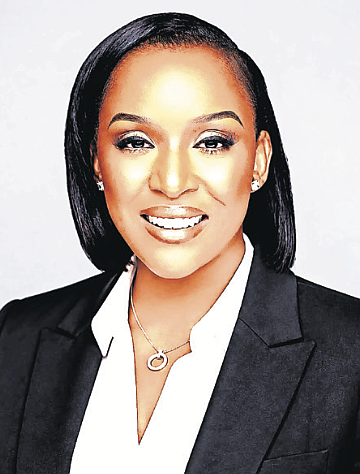
Glennett Fowler
By GLENNETT FOWLER
There is a particular kind of courage required to invest in Freeport. You commit your savings, accept personal risk, employ people, and build a business without knowing when the opportunities you are preparing for will arrive.
I am not old enough to speak from lived experience of Grand Bahama’s celebrated glory days. I have grown up hearing what this island once was while navigating the challenges of what it is today. I want my generation, and those coming behind us, to experience prosperity for ourselves.
Across our business community, there is fatigue. What sometimes looks like lethargy is often the exhaustion of people who have worked, invested and waited, yet still struggle to see a clear path forward.
Keeping the doors open does not always mean a business is doing well. Sometimes it means the owner has made another personal sacrifice. Breaking even can feel out of reach when wages, utilities, insurance, equipment and debt must be paid regardless of what comes through the door.
Many continue because employees depend on them, customers trust them and they remain loyal to Grand Bahama. But loyalty alone cannot sustain an economy.
There are also misconceptions about Freeport across the wider Bahamas. How our circumstances are understood from elsewhere can differ considerably from the experience of those who live, work and operate businesses here. We need to close that gap through honest dialogue and practical evidence. Another prolonged back-and-forth will only consume time that struggling businesses cannot afford.
From my experience, the central challenge is economics. I have found the Grand Bahama Port Authority (GBPA) efficient in delivering services. Yet efficient services alone cannot generate the customers, spending and commercial activity businesses need to survive.
An approval matters, but a business also needs a market. A business represents investment, but it needs productive work. A contract offers opportunity, but the company delivering it must be able to finance the job.
Recent investments offer reasons for hope. Yet, from where I stand, their benefits remain concentrated among a relatively small group and are insufficiently felt by the average Bahamian. Announced investment must translate into wider economic activity - purchases from local suppliers, contracts for capable enterprises, sustainable employment and money circulating through our communities.
Too many Grand Bahamians still feel on the outside of opportunity, even as progress seems to reach every other rock and cay. Freeport continues to feel like the black sheep of the Bahamian economy. That sense of exclusion must change.
The current consultation offers an opportunity to bring these realities into the discussion about our future. The Government will ultimately determine its policy direction and bring forward any proposed legislation. Our responsibility is to contribute a clear, united and practical account of what this island needs.
We should use the consultation period to identify what works, explain what needs attention and propose measures that increase economic participation while protecting confidence. The process should produce a clear path for resolving outstanding issues and minimise further hardship during any transition. Focus rather than fear needs to be the order of the day.
Let us stop complaining in silos. Manufacturers, retailers, contractors, service providers, professionals and small business owners should rally together around shared priorities. We may have different views about the framework, but we share an interest in a prosperous, productive island.
We must also continue creating opportunities for ourselves. We must improve standards and prepare our people to compete.
We cannot place every business decision on hold until every uncertainty disappears. Standing still brings its own consequence. Such as lost customers, departing talent, a deteriorating landscape and deeper financial strain.
Our participation must therefore be twofold: To help shape the future and keep building in the present.
Grand Bahamians have demonstrated a willingness to take risks, invest and persevere. We now need conditions that allow that commitment to produce sustainable returns and broader prosperity.
Many of us choose not to engage or speak up for fear of being ostracised. However, what will this island look like when our children graduate from high school or return from college? What awaits investors? What awaits employees when businesses fail?
The question this process must ultimately answer is whether it will change the economic reality of the people who live and do business here. Will more local enterprises become viable? Will ordinary families feel the activity? Will opportunity become something we participate in rather than watch from the sidelines?
Grand Bahama cannot afford to lose more time. Let us engage, unite and keep building an island whose prosperity reaches the people who call it home.




Comments
Use the comment form below to begin a discussion about this content.
Sign in to comment
OpenID